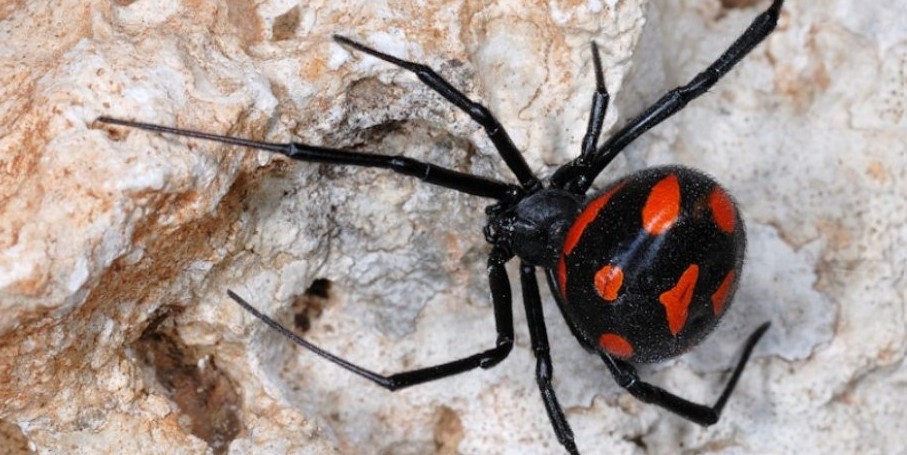
A creature shrouded in myth and fear, the black widow spider is notorious for its potent venom and the chilling legend of its mating habits. This striking arachnid, with its sleek, obsidian body and fiery hourglass mark, is a symbol of danger lurking in the shadows.
The Mating Ritual and the “Widow” Myth:
The name “black widow” stems from the (sometimes) observed behavior of the female killing and consuming the male after mating. While this doesn’t always happen, it’s a gruesome detail that has fueled the spider’s reputation for centuries. Scientists believe this behavior may be linked to nutritional needs or mate selection.
The Bite and Its Effects:
The venom of the female black widow is a potent neurotoxin – one of the most powerful of any North American spider. While the bite itself may not be immediately painful, the effects can be severe. Victims often experience intense muscle cramps, particularly in the abdomen, back, and chest. Other symptoms include nausea, vomiting, sweating, headache, and increased blood pressure. While fatalities are rare, especially with access to modern medical care, the experience can be agonizing.
Stories and Legends:
Throughout history, the black widow has been featured in folklore and cautionary tales. Its image has been used to represent danger, female power, and the darker side of nature. The spider’s allure lies in its combination of beauty and deadly potential.
Living with the Widow:
Black widows are often found in disturbed areas, near human habitation. Woodpiles, garages, and sheds provide ideal hiding places. Vigilance is key to avoiding encounters. Wear gloves when working outdoors, be cautious in dark corners, and seek medical attention immediately if bitten.
Conclusion:
The black widow spider remains a fascinating and fearsome creature. While respecting its power is essential, understanding its behavior and taking precautions can help us coexist with this deadly beauty. While fear is a natural reaction, knowledge is our best defense.
Unveiling the Biology and Venom of the Black Widow Spider
The genus Latrodectus, commonly known as widow spiders, encompasses a group of venomous arachnids with a global distribution. Among these, the black widow (Latrodectus mactans) is perhaps the most well-known, famed for its neurotoxic venom and distinctive markings. This article explores the biology, venom composition, and ecological role of Latrodectus spiders.
Taxonomy and Identification:
Latrodectus spiders are characterized by their globose abdomens and distinctive markings, most notably the red or orange hourglass shape on the ventral surface of the abdomen in many species. Accurate identification is crucial, as venom potency and symptomology can vary between species. Genetic analysis has refined our understanding of Latrodectus phylogeny, revealing complex relationships within the genus.
Venom Composition and Action:
Black widow venom is a complex mixture of toxins, including alpha-latrotoxin, the primary component responsible for its neurotoxic effects. Alpha-latrotoxin binds to receptors at the presynaptic nerve terminal, triggering massive neurotransmitter release. This leads to the characteristic symptoms of latrodectism, including muscle cramping, pain, and autonomic dysfunction. Research into the molecular mechanisms of alpha-latrotoxin is ongoing, with potential implications for drug development.
Ecological Role and Behavior:
Latrodectus spiders are primarily predatory, feeding on a wide range of insects and other arthropods. They construct irregular webs in sheltered locations. While cannibalism, including the consumption of males after mating, is observed in some species, it is not a universal behavior within the genus.
Medical Significance and Treatment:
Black widow bites can cause significant morbidity, although fatalities are rare. Treatment typically involves supportive care, including pain management and muscle relaxants. Antivenom is available but is reserved for severe cases due to potential allergic reactions. Ongoing research focuses on improving antivenom efficacy and developing alternative therapeutic strategies.
Conclusion:
Latrodectus spiders are a fascinating group of arachnids with significant ecological and medical importance. Further research into their biology, venom, and behavior is crucial for understanding their role in ecosystems and developing effective strategies for managing the consequences of envenomation.