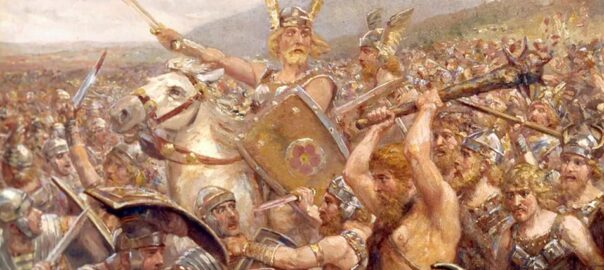
Greek mythology is a rich tapestry of stories and legends that originate from ancient Greece, encapsulating the beliefs, values, and cultural practices of its people. Central to this mythology is a pantheon of gods and goddesses, each with distinct personalities, domains, and narratives. Key deities include Zeus, the king of the gods and ruler of Mount Olympus; Hera, his wife and goddess of marriage; Poseidon, the god of the sea; and Athena, the goddess of wisdom and warfare. These divine beings interacted with humans, often influencing their lives, from granting favors to enacting punishment.
The mythology also tells tales of heroes, such as Heracles (Hercules), Odysseus, and Perseus, who embark on epic quests filled with trials, monsters, and moral lessons. These characters represent ideal virtues and human flaws, allowing for the exploration of themes such as bravery, love, vengeance, and fate.
Aside from these narratives, Greek mythology features significant creatures like the Minotaur, Cyclopes, and Harpies, contributing to the stories’ complexity and depth. Additionally, myths often served to explain natural phenomena, rituals, and the changing seasons, intertwining the divine with everyday life.
The legacy of Greek mythology extends far beyond its origins, continuing to influence art, literature, psychology, and modern storytelling. Archetypes and motifs from these ancient myths endure in contemporary culture, highlighting their timeless relevance and the universal themes they convey about the human experience. Through its exploration of gods, heroes, and moral dilemmas, Greek mythology invites reflection on the nature of existence, the divine, and the human condition.
Today, Greek mythology remains a significant source of inspiration in literature, art, and popular culture, resonating with timeless themes that explore the complexities of human nature.