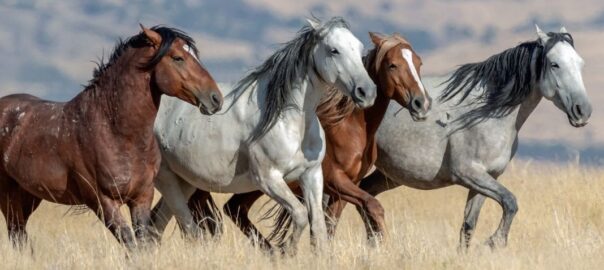
The Maasai Mara National Reserve, situated in southwestern Kenya, is a spectacular wildlife sanctuary that draws visitors from around the globe. Covering approximately 1,510 square kilometers, it is renowned for its diverse ecosystems that range from grasslands to river forests, creating a haven for an array of wildlife species. The reserve is part of the larger Serengeti ecosystem, extending into Tanzania, and is particularly famous for its role in the annual Great Migration. Each year, millions of wildebeest, along with thousands of zebras and other herbivores, traverse the plains in a dramatic search for fresh grazing lands and water, facing perilous river crossings and predators along the way.
The Maasai Mara is home to the “Big Five”—lions, leopards, African elephants, black rhinos, and Cape buffalo—which makes it one of Africa’s premier safari destinations. Experienced guides lead visitors on thrilling game drives, providing opportunities to observe not only these iconic animals but also cheetahs, giraffes, hippos, and a variety of bird species. The Maasai culture is an integral part of the experience; the indigenous Maasai people, known for their distinct customs, colorful attire, and traditional ceremonies, offer a glimpse into a rich heritage that coexists with the wildlife.
In addition to its incredible biodiversity, the Maasai Mara faces challenges from climate change, poaching, and habitat encroachment. Conservation efforts are ongoing to protect this vital ecosystem, involving local communities and various organizations to promote sustainable tourism and wildlife preservation. Overall, Maasai Mara remains a stunning testament to the beauty of Africa’s wilderness and the importance of preserving it for future generations. Its unparalleled wildlife experiences and scenic landscapes make it a must-visit destination for nature enthusiasts and adventurers alike.

Here are some interesting facts about Maasai Mara:
- Great Migration: The Maasai Mara is famous for the Great Migration, where approximately 1.5 million wildebeest, along with hundreds of thousands of zebras and other herbivores, traverse the plains from the Serengeti in Tanzania to the Mara in search of food and water, primarily between July and October.
- Big Five Sanctuary: The reserve is one of the best places to see Africa’s “Big Five”—lions, leopards, rhinoceroses, elephants, and Cape buffalo—making it a bucket-list destination for safari enthusiasts.
- Cheetah Capital: The Maasai Mara is often referred to as the “Cheetah Capital of the World,” boasting one of the highest densities of cheetahs due to abundant prey and open grasslands that facilitate their hunting techniques.
- Cultural Heritage: The Maasai people, who inhabit the region, maintain a rich cultural heritage characterized by distinctive customs, dances, and traditional attire. Their semi-nomadic lifestyle revolves around cattle herding, and they play an essential role in local tourism.
- Diverse Ecosystems: The reserve comprises various habitats, including savannahs, riverine forests, and acacia woodlands, supporting an array of wildlife species, including over 450 bird species, making it a birdwatcher’s paradise.
- Conservation Efforts: The Maasai Mara is not only a tourist destination but also a critical area for wildlife conservation. Various initiatives, including community-based conservation programs, are in place to protect wildlife and promote sustainable tourism.
- Night Safari: Unlike many other national parks, the Maasai Mara allows night game drives, offering a unique opportunity to see nocturnal animals like the bushbaby, hyena, and leopard in their natural behaviors under the moonlight.
These facts highlight the ecological significance and cultural richness of the Maasai Mara, making it a unique and captivating destination.