David IV, more famously known as David the Builder (Davit Aghmashenebeli in Georgian), stands as a titan in the annals of Georgian history. Ruling from 1089 to 1125, he didn’t just inherit a kingdom; he forged one, transforming a fragmented and vulnerable nation into a powerful, centralized state that ushered in Georgia’s Golden Age. His reign was defined by military prowess, astute diplomacy, and a profound commitment to cultural and spiritual renewal, making him a legendary figure whose impact resonates even today.
David’s ascension to the throne was fraught with challenges. Georgia in the late 11th century was a patchwork of feudal principalities, weakened by internal strife and constantly threatened by external forces, most notably the Seljuk Turks. Recognizing the dire situation, the young king immediately embarked on a radical program of reform, aimed at consolidating royal authority and strengthening the nation’s defenses.
Forging a Unified Kingdom:
David’s first priority was to curb the power of the unruly feudal lords. He achieved this through a combination of strategic marriages, cunning manipulation, and, when necessary, decisive military action. He stripped rebellious nobles of their titles and lands, replacing them with loyal retainers directly accountable to the crown. This centralization of power allowed David to effectively control the kingdom’s resources and mobilize its armies.
Military Genius and Strategic Alliances:
David was a brilliant military strategist, constantly innovating and adapting his tactics. He rebuilt the Georgian army, creating a professional standing force supplemented by a smaller, highly mobile cavalry. He also forged alliances with various Turkic tribes, strategically utilizing their martial prowess to defend against Seljuk incursions.
The culmination of his military reforms came in 1121 at the Battle of Didgori, a resounding Georgian victory against a much larger Seljuk army. This triumph, celebrated annually in Georgia, cemented David’s reputation as a military genius and solidified Georgia’s position as the dominant power in the Caucasus region. Following Didgori, David liberated Tbilisi, the former Arab capital, which became the new political and cultural center of Georgia.
A Renaissance of Georgian Culture and Learning:
David’s vision extended far beyond military conquest. He recognized that a strong nation required not only a powerful army but also a vibrant culture and a robust intellectual life. He was a fervent patron of the arts and sciences, encouraging the development of Georgian literature, architecture, and philosophy.
He established the Gelati Academy, a renowned center of learning that attracted scholars from across the region. Gelati became a beacon of intellectual and spiritual development, fostering a renaissance of Georgian culture. David himself was a scholar, writing the famous “Hymns of Repentance,” a collection of deeply personal and moving religious poems that demonstrate his profound spirituality and intellectual depth.
A Legacy Enduring Through Time:
David the Builder’s reign was a watershed moment in Georgian history. He transformed a weak, divided kingdom into a powerful, unified state that enjoyed a period of unprecedented prosperity and influence. His commitment to military strength, political consolidation, and cultural advancement laid the foundation for the Georgian Golden Age, a period of remarkable artistic, literary, and architectural achievement that followed his reign.
David’s legacy continues to inspire Georgians today. He is remembered as a national hero, a visionary leader, and a skilled architect of Georgian power. His image graces monuments and coins, and his name is synonymous with strength, wisdom, and the unwavering pursuit of a brighter future for Georgia. He remains a powerful symbol of Georgian resilience and a testament to the transformative power of leadership.
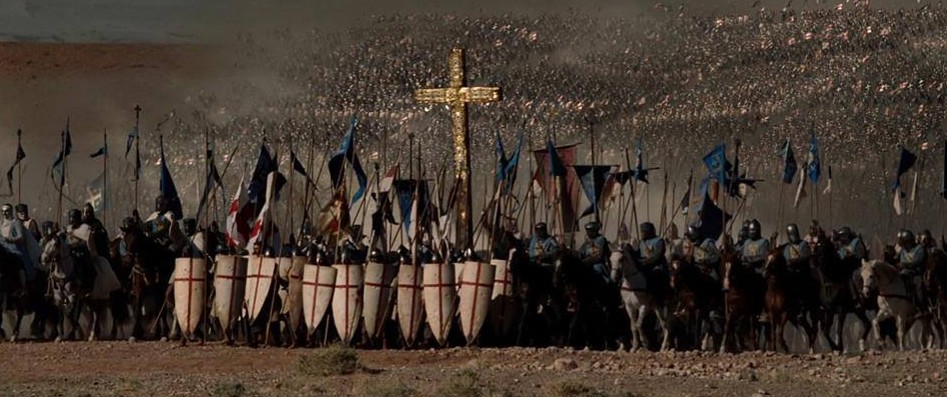
The Battle of Didgori: A Georgian Miracle and the Rise of Davit the Builder
The Battle of Didgori, fought on August 12, 1121, stands as a pivotal moment in Georgian history, a testament to brilliant military strategy, unwavering national spirit, and the transformative leadership of King Davit IV, known as Davit the Builder. More than just a victory, Didgori solidified Georgian independence, ushered in a golden age of culture and prosperity, and etched itself into the national consciousness as a symbol of resilience and triumph against overwhelming odds.
By the early 12th century, Georgia, strategically located in the Caucasus Mountains, had endured centuries of invasions and internal strife. Weakened by infighting and burdened by tribute to the Seljuk Turks, the kingdom teetered on the brink of collapse. It was under these dire circumstances that Davit IV ascended to the throne in 1089. Young and ambitious, he recognized the urgent need for reform and liberation.
Davit embarked on a comprehensive program of military and social reforms. He modernized the army, replacing the feudal levies with a professional standing force. He strengthened Georgia’s defenses by building fortified castles and strategically positioning garrisons. Recognizing the importance of a unified populace, he promoted national identity and suppressed internal dissent.
Meanwhile, the Seljuk Sultanate, weakened by internal conflicts and the Crusades, posed a diminishing but still significant threat. In 1121, a powerful Seljuk coalition, bolstered by diverse armies from across the Middle East, amassed a formidable force purportedly numbering hundreds of thousands of soldiers. This was intended to be a decisive blow against Georgia, crushing its nascent independence and re-establishing Turkish dominance.
The Georgian army, led by Davit himself, was significantly smaller, estimated to be around 40,000 men, including a contingent of Kipchak Turkic mercenaries who had pledged their allegiance to the Georgian crown. Outnumbered and facing a seemingly insurmountable challenge, Davit chose a battlefield that favored his strategy – the narrow Didgori valley, located southwest of Tbilisi.
The battle itself was a masterpiece of tactical brilliance. Davit employed a combination of feigned retreats, ambushes, and well-timed assaults to exploit the weaknesses of the larger, less disciplined Seljuk army. A key moment was the deployment of a small detachment of “Crusaders” – Georgian knights disguised as Seljuk deserters – who infiltrated the enemy ranks and launched a surprise attack, sowing confusion and panic.
The ensuing chaos allowed the Georgian army to launch a devastating offensive, breaking the Seljuk lines and scattering their forces. The battle raged for hours, characterized by fierce hand-to-hand combat and unwavering determination on the part of the Georgians. Legend has it that Davit himself fought at the forefront, inspiring his troops with his courage and leadership.
The Battle of Didgori was a resounding victory for Georgia. The Seljuk forces were routed, their remnants fleeing in disarray. The victory freed Georgia from the yoke of Turkish dominance, paved the way for the re-conquest of lost territories, and ushered in a period of unprecedented prosperity and cultural flourishing.
The legacy of Didgori extends far beyond its military significance. It became a symbol of Georgian national identity, a testament to the power of unity, determination, and visionary leadership. King Davit IV, subsequently revered as Davit the Builder, became a national hero, celebrated for his strategic genius, his unwavering commitment to his people, and his lasting impact on Georgian society.
The Battle of Didgori remains a source of national pride and inspiration for Georgians to this day. It serves as a reminder that even against overwhelming odds, courage, strategic thinking, and a strong national spirit can lead to the most remarkable victories. It is a testament to the resilience of the Georgian people and the indomitable spirit that continues to define them.