The term “pterodactyl” commonly refers to members of the Pterosauria group, which were flying reptiles that lived during the Mesozoic era. Specifically, “Pterodactylus” is a well-known genus within this group, characterized by its long wings, elongated neck, and distinctive crested head. Often mistakenly called dinosaurs, pterodactyls were part of a separate clade and are known for their remarkable adaptations for flight, including a lightweight skeleton and specialized wing structures. They inhabited a variety of ecological niches, feeding on fish and other small animals.
The theme of “pterodactyl” often evokes ideas of prehistoric life, flight, and the mysteries of evolution. It symbolizes freedom and the majesty of ancient creatures soaring through the skies millions of years ago. In literature and media, pterodactyls can represent themes of exploration and discovery, as well as the fascination with the Earth’s distant past and the creatures that roamed it. Additionally, they may serve as a metaphor for the balance of nature, illustrating the fragile link between extinction and survival in the natural world.
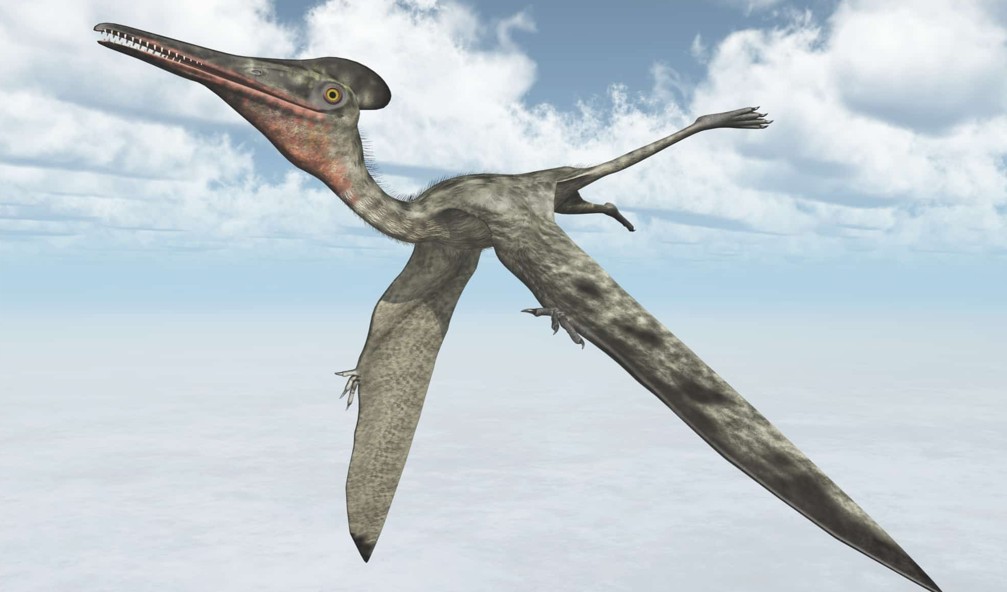
The topic of pterodactyls encompasses various aspects of their biology, behavior, and significance in paleontology. Pterodactyls, specifically the genus Pterodactylus, were flying reptiles from the late Jurassic to the early Cretaceous periods, known for their distinctive wings made from a membrane of skin and muscle. This topic also includes their diverse diets, which primarily consisted of fish and small animals, their adaptations for flight, and their role in prehistoric ecosystems. Furthermore, discussions often explore their evolutionary relationship with dinosaurs and other reptiles, their fossil record, and their portrayal in popular culture, emphasizing human fascination with these remarkable ancient creatures.


